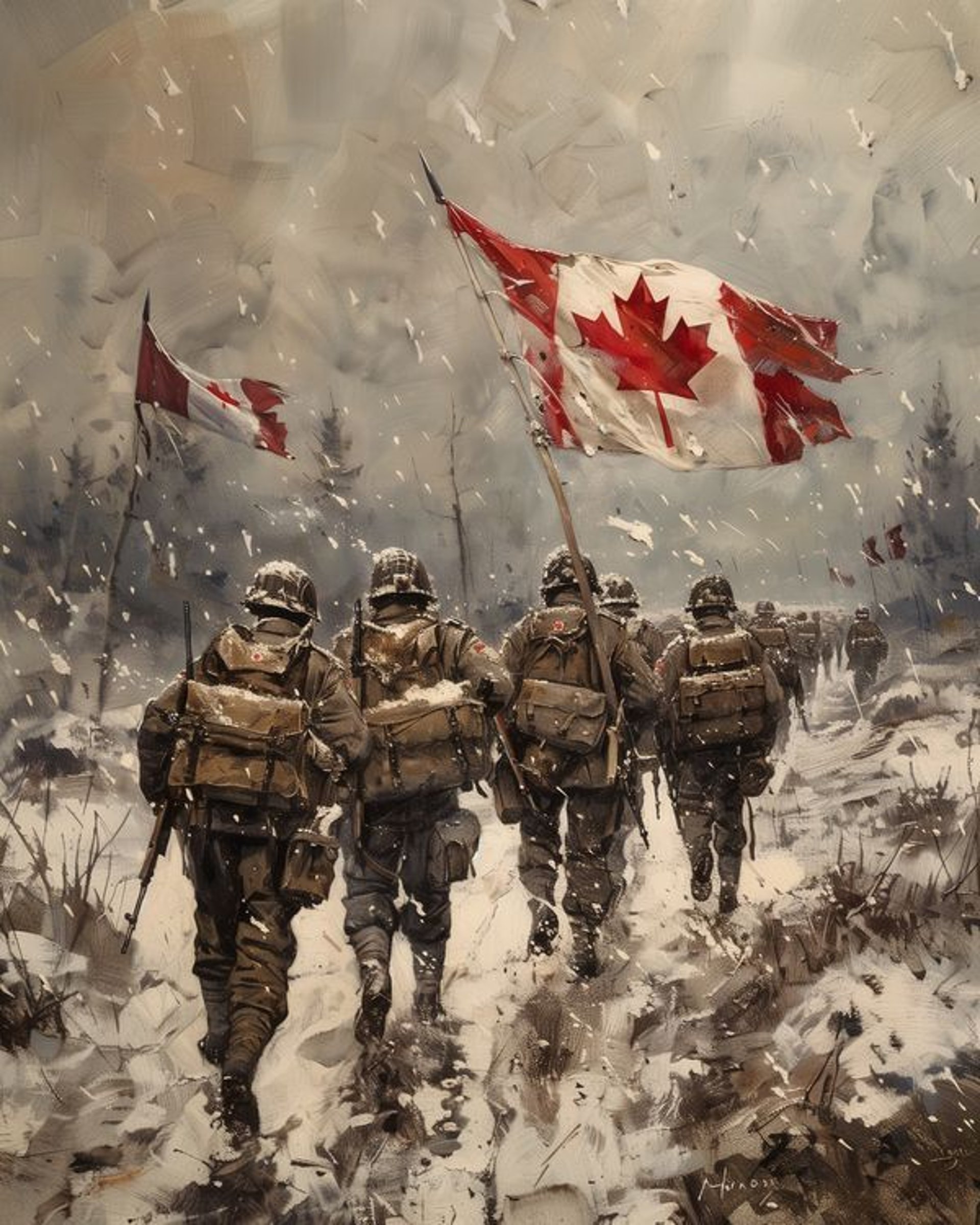
old modern day heroes
November 7, 2025

HONOURING REMEMBRANCE DAY HEROES
How a Nation Remembers—and How It Can Quietly Give Back
Every November, as the cold settles in across Canada, certain habits just show up. Poppies bloom on jackets. Streets hush near the local cenotaph. The bugle cuts through the morning, and for two minutes, everyone stands in the same quiet, memory-heavy pause. It’s just enough time for the past to feel close, never quite enough to hold all it brings up.
Officially, Remembrance Day is a ceremony. Unofficially, it’s a yearly reckoning with our own history. What exactly are we remembering—and what happens after the moment passes, once the calendar flips to November 12?
Behind all the symbols are real people. Veterans from big wars and smaller missions, overseas deployments and work here at home. Regular force, reservists, aircrew, medics, engineers, sailors, folks who kept everything running. Some have medals or uniforms tucked away, stories that only come out on anniversaries. Some have reminders you can’t see—a ringing in the ears, an old injury that acts up, trouble sleeping, or the old habit of scanning a crowded room before relaxing.
Some veterans are thriving—building businesses, raising kids, volunteering. Plenty have needed help at one time or another: sorting out benefits, finding mental health support, getting stable housing, or just figuring out who they are when the structure of service disappears. There’s no one story here. The range is huge.
But there is one thing that stays the same: serving, no matter when or where, is built on trust. Trust that if you step forward and put on the uniform, the country behind you will still be there when you take it off.
That’s where Remembrance Day is changing—less about blame, more about paying attention.
Over the last few years, a web of programs and organizations has grown up around veterans and their families. Some offer therapy and trauma counseling. Others focus on training, job placements, mentorship. Some run out of church basements or coffee shops—offering a cup of coffee, a bit of company, a spot where nobody needs to explain what their acronyms mean. Together, they quietly patch what needs patching.
Their work isn’t flashy. That’s exactly the point. It matches the people they serve.
For businesses, the question isn’t just, “Should we post on November 11?” It’s, “What does our support really look like?” A social media post? Easy. But setting up regular donations to trusted veterans’ groups, building real hiring paths for former service members, or making work flexible for reservists—those choices actually matter.
Some companies are starting to see their support differently—not as charity, and not as a PR move, but as a fair response to the fact that they get to operate in a safe, stable place others helped build. A monthly donation might be small on the books, but it’s real when you think about what it means for a counseling program, a housing project, or a help line for families.
For everyday Canadians, showing up is pretty straightforward. Learn the stories behind the names at your local memorial. Support veteran organizations that do real work. Listen without judging if someone with service experience wants to talk—or if they don’t. If you know a neighbour, a colleague, or a relative who served, help them connect to resources that might feel out of reach.
Families sit at the center of all this, quietly holding things together. They adjust to long absences, the changes that come after someone comes home, sometimes even permanent loss. To really remember, you have to see them too—not as background figures, but as people whose lives have been shaped by service. Programs for bereavement, respite care, or kids’ support aren’t extras. They’re part of the promise.
None of this calls for big speeches or big shows. It just asks for something steadier: consistency.
If Remembrance Day is when Canada says, “We remember,” the rest of the year is when we prove it. You see it in services that are actually accessible. Strong, well-supported organizations. Employers who understand what experience under pressure means. And the small acts that never make headlines, but always matter.
The poppy only lasts a few weeks on your coat. The responsibility it stands for sticks around.
To honour Remembrance Day heroes this way means holding two things together: real gratitude for what’s already been given, and a down-to-earth willingness—from governments, communities, businesses, and regular people—to stand with those who served. No drama. No division. No waiting. Just showing up, all year.
By CEO Leonardo Palladino